Preparing properly before a motorhome holiday can make the difference between a relaxing tour and a journey interrupted by avoidable problems. This complete motorhome checklist UK guide covers everything you should inspect, pack and confirm before leaving home, from tyres and travel documents to gas supplies, campsite bookings and payload limits.
Whether you are planning a weekend on the coast or a longer tour through several parts of the UK, working through a structured checklist will help you leave feeling organised and confident.
Quick motorhome pre-trip checklist
Before setting off, make sure you have checked:
- Driving licence, insurance, MOT and breakdown cover
- Tyres, lights, mirrors, fluids and windscreen
- Gas bottles, water system, leisure battery and hook-up cable
- Motorhome weight, axle loading and storage security
- Campsite bookings, arrival times and route restrictions
- Food, clothing, medication and personal essentials
- Smoke, carbon monoxide and fire safety equipment
- Cupboards, windows, rooflights, doors and external lockers
- Weather forecasts and road conditions
- Fresh water, waste water and toilet preparation
The sections below explain each part of the motorhome checklist UK owners should complete before every trip.
1. Check your documents before travelling
Start by making sure the vehicle and everyone driving it have the correct documentation.
Your essential documents may include:
- A valid driving licence for each driver
- Motorhome insurance details
- Breakdown and recovery information
- MOT certificate, where applicable
- Vehicle tax confirmation
- Campsite booking details
- Emergency contact information
- Motorhome handbook
- Warranty and servicing information
Digital copies are useful, but it is sensible to carry important contact numbers somewhere that does not depend on mobile signal or battery life.
You should also confirm that every intended driver is insured to drive the motorhome. Do not assume that a standard car insurance policy, company policy or driving other vehicles extension automatically covers it.
Coachman owners with questions about documentation, specifications or owner information should contact their nearest Coachman dealer, who can assist with brochures, technical details and servicing records.
2. Inspect the tyres carefully
Motorhome tyres can deteriorate even when the vehicle has not covered many miles. Long periods of storage, exposure to sunlight and remaining stationary under load can all affect their condition.
Before touring, inspect every tyre for:
- Correct tyre pressure
- Cuts, cracks or bulges
- Uneven tread wear
- Embedded objects
- Visible sidewall deterioration
- Adequate tread depth
- Correct valve condition
Do not forget the spare wheel where one is fitted. Check that it is accessible, inflated and accompanied by the equipment needed to change a wheel safely.
Tyre pressures should be appropriate for the motorhome, its tyres and its anticipated load. Avoid relying on a generic pressure found online. Consult the vehicle documentation or obtain advice from a qualified dealer or tyre specialist.
3. Complete basic mechanical checks
You do not need to be a mechanic to carry out a useful visual inspection. A few simple checks can identify developing problems before they affect your holiday.
Check the levels and condition of:
- Engine oil
- Coolant
- Brake fluid
- Windscreen washer fluid
- AdBlue, where required
- Power-steering fluid, if applicable
Look beneath the motorhome for signs of leaks and check the dashboard for warning lights after starting the engine.
If the vehicle has been stored for an extended period, take it on a short local drive before your holiday. Listen for unusual noises, confirm that the brakes feel normal and make sure the engine reaches its usual operating temperature.
Any warning light, fluid loss, braking concern or unusual vibration should be investigated before beginning a long journey.
4. Test all exterior lights and visibility equipment
Ask another person to help you check:
- Headlights
- Sidelights
- Brake lights
- Indicators
- Hazard lights
- Reversing lights
- Number-plate lights
- Fog lights
Clean the headlights, mirrors, cameras and windows before departure. Dirt, road film and insects can significantly reduce visibility, particularly when driving in rain or low light.
Check that the windscreen wipers operate smoothly and do not smear. Replace damaged or hardened blades rather than waiting for poor weather to reveal the problem.
If your motorhome has a reversing camera, test the camera and screen before setting off. It is also worth cleaning the camera lens, which can quickly become obscured by dirt.
5. Check your gas system
Gas appliances should only be used when the installation and ventilation system are in safe working order.
As part of your motorhome checklist UK preparation, confirm that:
- Gas bottles are correctly connected
- Bottles are secured in the designated compartment
- Hoses and regulators appear undamaged
- Gas locker vents are unobstructed
- Appliances ignite and operate correctly
- Gas is turned off when required
- You have sufficient gas for the planned trip
Never block permanent ventilation openings, even in cold weather. These openings form part of the vehicle’s safety design.
If you smell gas, believe there may be a leak or have concerns about an appliance, turn off the supply and arrange an inspection by a suitably qualified professional.
6. Test the leisure battery and electrical systems
Your motorhome’s electrical system may power lighting, heating controls, water pumps, refrigeration and other essential equipment.
Before leaving, test:
- Leisure battery charge
- Interior lights
- Control panel
- Water pump
- Fridge operation
- Heating controls
- USB sockets and charging points
- Electric step
- External lights
- Solar charging display, where fitted
Inspect the electric hook-up cable for cuts, exposed wiring or damaged connectors. Pack the correct cable and any approved accessories you regularly use.
Avoid creating overloaded or unsafe arrangements with domestic extension leads. Campsite electrical supplies can vary, so be prepared to manage your energy consumption rather than attempting to operate every high-demand appliance at once.
7. Prepare the fresh-water and waste systems
The amount of fresh water you carry will depend on the journey, your planned destination and the availability of water on arrival.
Before departure:
- Flush the fresh-water system if it has been unused
- Check the water pump
- Inspect visible pipes and connections
- Confirm that taps work correctly
- Check the water heater
- Empty or prepare the waste-water tank
- Prepare the toilet cassette
- Pack appropriate toilet chemicals
- Carry a suitable drinking-water hose or container
Water is heavy, so filling the fresh-water tank completely before a long drive can reduce the payload available for passengers and equipment. Many travellers carry enough water for the journey and fill up after arriving at their destination.
8. Confirm your motorhome’s payload
Payload is one of the most important yet frequently overlooked areas of motorhome preparation.
Your available payload may need to accommodate:
- Passengers
- Clothing and luggage
- Food and drinks
- Fresh water
- Gas bottles
- Bikes
- Outdoor furniture
- Awning equipment
- Electrical accessories
- Pets and pet equipment
- Optional accessories added to the vehicle
It is easy for individually small items to create a significant combined weight.
Check the motorhome’s weight limits and ensure that the overall vehicle and individual axles are not overloaded. Using a public weighbridge is one of the clearest ways to understand the motorhome’s actual travelling weight.
Coachman’s guide to motorhome payload explains GVW, MTPLM and how loading affects safety, insurance, handling and your driving licence category — worth reading before your first tour or when adding new equipment to the vehicle.
Store heavier items low down and as close to the centre of the vehicle as practical. Avoid placing excessive weight in one rear locker or garage without considering its effect on axle loading and handling.
9. Secure everything inside the motorhome
Even a gentle braking manoeuvre can send unsecured items across the living area.
Before moving the vehicle:
- Close and secure cupboard doors
- Lock drawers
- Remove loose items from worktops
- Store glassware safely
- Secure televisions and screens
- Lower or secure tables
- Fasten travel catches
- Store shower equipment
- Secure pet equipment
- Close the fridge properly
- Lock internal sliding doors
Only designated travel seats with appropriate seat belts should be occupied while the motorhome is moving. Beds, sofas and side-facing lounge seats should not be treated as safe passenger seating unless they are specifically designed and approved for travel.
10. Inspect the exterior of the motorhome
Complete a full walkaround immediately before leaving.
Check that:
- External lockers are closed and locked
- The habitation door is secure
- Hook-up cables have been disconnected
- Water hoses have been stored
- Levelling equipment has been removed
- Steps are retracted
- Awnings are fully closed
- Rooflights are shut
- Windows are closed
- Bike racks are secure
- Bikes have been correctly fastened
- Satellite dishes or aerials are lowered
- Waste outlets are closed
- Number plates remain visible
Look above the normal eyeline as well as around the lower body. Raised rooflights, aerials and vents can easily be missed from the driver’s seat.
A consistent walkaround routine is helpful. Start at the driver’s door and move around the vehicle in the same direction every time.
11. Plan a motorhome-friendly route
The quickest route shown by a navigation app is not always the most appropriate route for a motorhome.
Consider:
- Vehicle height
- Vehicle width
- Vehicle length
- Vehicle weight
- Narrow roads
- Low bridges
- Steep gradients
- Restricted roads
- Clean-air or emission zones
- Suitable fuel stations
- Safe rest stops
- Motorhome-accessible parking
Enter the correct vehicle dimensions into a motorhome-compatible navigation system where available. However, navigation technology should support rather than replace road signs and driver judgement.
Keep your vehicle height visible near the driving position so you do not have to rely on memory when approaching a bridge, barrier or car park entrance.
Plan fuel stops before travelling through rural areas, especially if your route crosses national parks or more remote parts of Scotland, Wales or northern England.
12. Check your campsite or overnight stop
Before setting off, confirm:
- The full address
- Arrival and departure times
- Reception opening hours
- Pitch type
- Electric hook-up availability
- Water and waste facilities
- Maximum vehicle dimensions
- Site access instructions
- Gate codes
- Rules for dogs
- Rules for awnings
- Whether late arrivals are permitted
Some sites use narrow approach roads or provide a recommended route that differs from standard satellite navigation directions. Read the arrival information carefully before reaching the final few miles.
Save a screenshot or offline copy of the instructions in case mobile reception is poor.
13. Pack essential motorhome equipment
The equipment required will vary between travellers, but a practical touring kit often includes:
- Electric hook-up cable
- Fresh-water hose or container
- Waste-water equipment
- Levelling ramps
- Wheel chocks
- Basic tool kit
- Torch and spare batteries
- Warning triangle
- High-visibility jacket
- First-aid kit
- Phone charging cables
- Portable power bank
- Tyre-pressure gauge
- Cleaning cloths
- Bin bags
- Toilet chemicals
- Food-storage containers
- Outdoor chairs
- Weatherproof footwear
Avoid packing equipment simply because other motorhome owners carry it. Consider your own layout, payload, travel style and intended destinations.
Travellers preparing for their first tour may find Coachman’s beginner’s guide to owning a motorhome a useful companion to this checklist, covering driving, water systems, power management and everyday motorhome life.
14. Prepare for changing UK weather
UK touring conditions can change quickly, even during summer.
Check the forecast for the route as well as the destination. A campsite may be dry while heavy rain or strong winds affect another part of the journey.
Pack appropriate:
- Waterproof clothing
- Warm layers
- Sun protection
- Suitable footwear
- Bedding
- Outdoor furniture covers
- Windscreen insulation
- Ventilation accessories
In strong winds, avoid opening an awning unless conditions are suitable and it can be secured correctly. Rooflights and habitation doors should also be used carefully in gusty conditions.
For colder journeys, Coachman’s guide to preparing your motorhome for a winter getaway covers battery maintenance, fuel system preparation, tyre performance in cold conditions, heating checks and windscreen care.
15. Complete your final five-minute departure check
Just before leaving, use this final motorhome checklist UK inspection:
Inside
- Fridge secured
- Cupboards and drawers locked
- Windows and rooflights closed
- Loose items stored
- Gas appliances turned off
- Water pump set appropriately
- Passengers seated and belted
- Pets safely restrained
- Habitation door locked
- Electric step retracted
Outside
- Hook-up cable disconnected
- Water and waste equipment stored
- Levelling ramps removed
- External lockers locked
- Awning closed
- Bikes secured
- Tyres visually checked
- Lights working
- Number plates visible
Driver
- Seat and mirrors adjusted
- Vehicle height confirmed
- Fuel level checked
- Warning lights checked
- Navigation set
- Phone stored securely
- Campsite details accessible
How often should you use a motorhome checklist?
A full motorhome checklist UK inspection should be completed before every tour, even when the motorhome was used recently.
Some checks, such as servicing, tyre age, habitation inspections and mechanical maintenance, are completed periodically. However, security, loading, lights, water, gas and exterior checks should be repeated before each journey.
It is also sensible to complete a shorter version of the checklist every time you leave a campsite. Equipment may have been moved, lockers opened and services connected during your stay.
Choosing a motorhome for UK touring
Good preparation is easier when the vehicle’s layout, storage and specification match the way you travel.
The Coachman motorhome range includes several options for different touring requirements:
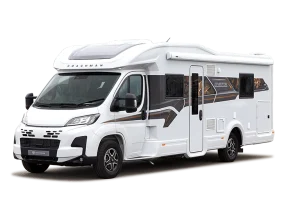
The Coachman Avventura is a four-berth motorhome built on a Fiat Ducato platform. Its electric drop-down double bed above the front lounge provides flexible sleeping arrangements, while the dropped-floor garage locker and ALDE heating make it a practical all-year touring option.
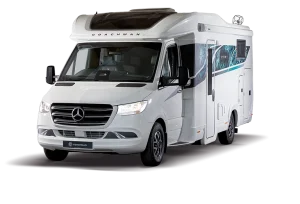
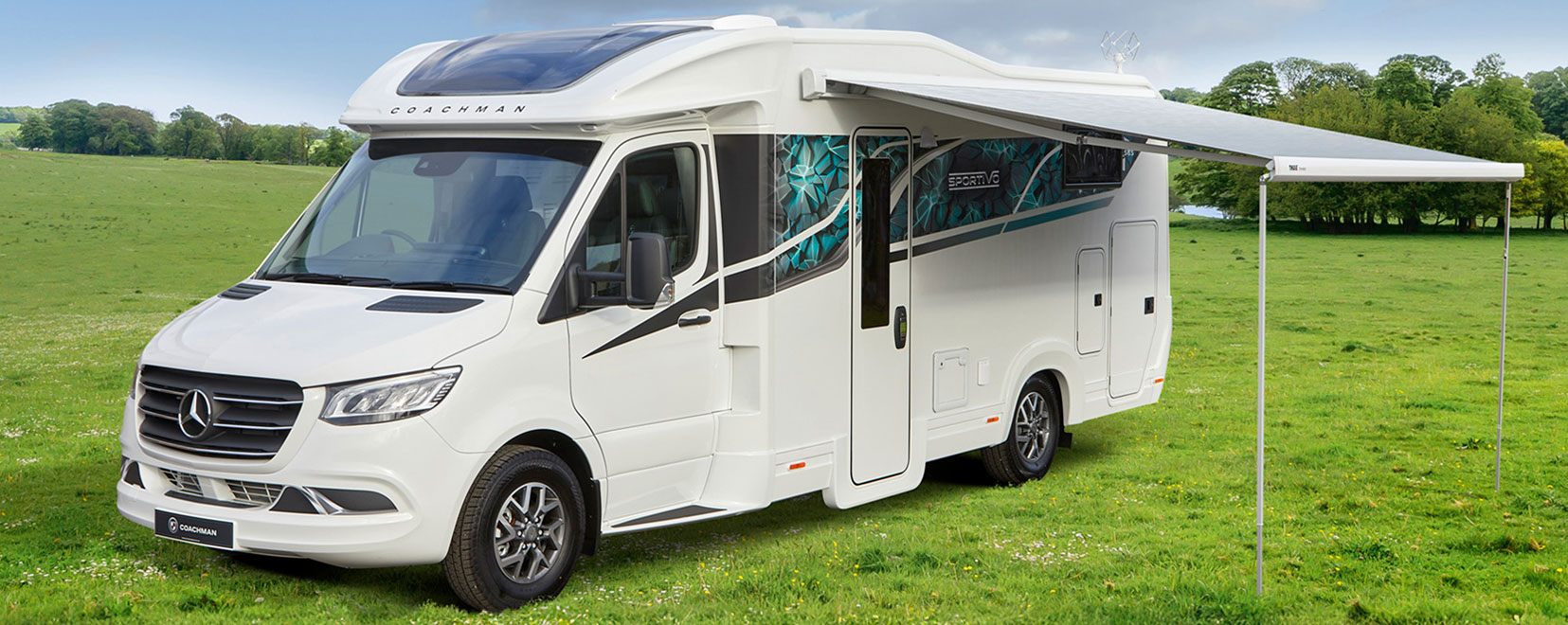
The Coachman Sportivo is a two-berth motorhome built on a Mercedes-Benz Sprinter base, designed around couples and solo travellers who want a compact, premium vehicle without unnecessary size.
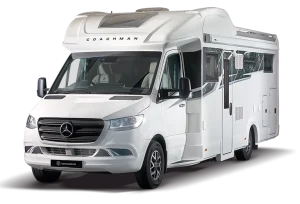
The Coachman Travel Master offers a more spacious low-profile motorhome on a Mercedes-Benz Sprinter base with an AL-KO chassis, available in island-bed and twin-bed layouts for buyers who want a higher level of specification and interior comfort.
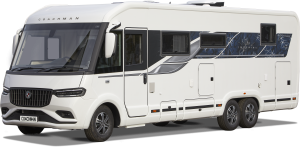
The Travel Master Imperial is Coachman’s flagship A-class motorhome, focused on space, refinement and extended touring capability with a rear garage, exterior-access storage and advanced driver assistance technology.
The best motorhome is not necessarily the largest. It is the model that provides the right balance of driving comfort, storage, payload, sleeping arrangements and living space for your journeys.
Frequently asked questions
What should I check before driving a motorhome?
Check the tyres, lights, mirrors, engine fluids, travel documents, gas supply, water system, electrical equipment and vehicle loading. You should also secure all internal items and complete an exterior walkaround.
What documents should I carry in a motorhome?
Carry your driving licence, insurance and breakdown information, campsite details and relevant vehicle documentation. Keeping your motorhome handbook accessible is also recommended.
Should I travel with a full fresh-water tank?
Not always. Fresh water adds significant weight, so many owners carry only what they need for the journey and fill the tank at their destination. The correct approach depends on access to water and the motorhome’s available payload.
How do I know whether my motorhome is overloaded?
Check the motorhome’s plated weight limits and use a suitable weighbridge to establish its loaded travelling weight. Remember that passengers, water, gas, accessories and luggage all contribute to the total. Coachman’s motorhome payload guide explains the key weight terms and how to stay within the legal limits.
What should I check when leaving a campsite?
Disconnect the electric hook-up, store water and waste equipment, remove levelling ramps, close the awning, secure lockers, retract the step and complete a full walkaround before moving.
Where can I get my Coachman motorhome checked?
Use the Coachman dealer finder to locate your nearest approved dealer and discuss servicing, technical questions or vehicle preparation.
Prepare properly and enjoy the journey
A reliable motorhome checklist UK routine removes much of the uncertainty from touring. It helps protect your vehicle, improves safety, reduces the likelihood of forgotten equipment and allows you to focus on the places you are visiting.
Prepare the vehicle in advance, load it carefully and repeat a final walkaround immediately before departure. Once the documents are organised, equipment is secure and the route is planned, you can begin your UK motorhome tour with greater confidence.
Explore the complete Coachman motorhome collection or find your nearest Coachman dealer to take a closer look at the latest models.