• Motorhome Payload Explained: GVW, MTPLM and Travelling Legally in the UK

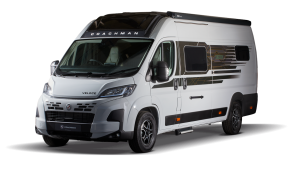
    Luxury Motorhome

    Choosing a motorhome is not just about layout, comfort or storage space. One of the most important things to understand before you travel is payload.

    Motorhome payload is the weight you can safely and legally add to your vehicle once its base weight has been accounted for. That includes passengers, water, fuel, clothing, food, bikes, outdoor furniture, accessories, pets and anything else you take away with you.

    For UK motorhome owners, payload matters because it affects safety, insurance, handling, braking, tyre performance and whether you are travelling within the law. It also has a direct link to your driving licence, especially if your motorhome is plated at 3,500kg or above.

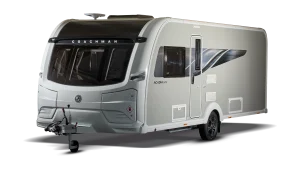
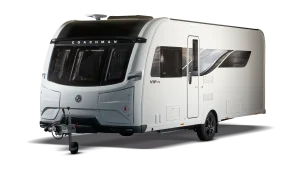
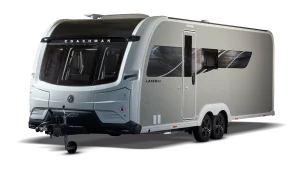
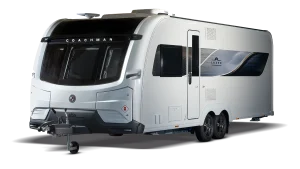
    If you are comparing different models, it is worth looking at payload alongside layout, berth options and storage. You can explore the latest Coachman motorhomes to see how different ranges are designed for different styles of touring.

    What does motorhome payload mean?

    Motorhome payload is the amount of usable weight available after the motorhome’s running weight has been deducted from its maximum legal weight.

    In simple terms, it is the weight allowance you have left for everything you load into the motorhome.

    This includes:

    • Driver and passengers
    • Fresh water
    • Gas bottles
    • Food and drink
    • Clothing and bedding
    • Bikes and e-bikes
    • Camping chairs and outdoor furniture
    • Awnings and accessories
    • Tools, cables and levelling ramps
    • Pets and pet equipment
    • Any extras fitted after manufacture

    The more you add, the more payload you use. Once the motorhome is over its maximum authorised weight, it is overloaded.

    GVW, MAM and MTPLM: what do they mean?

    Motorhome weight terminology can be confusing, especially because different manufacturers, dealers and documents may use slightly different terms. However, the key idea is usually the same: every motorhome has a maximum legal weight.

    GVW

    GVW stands for Gross Vehicle Weight. This is the maximum permitted weight of the motorhome when fully loaded. It includes the vehicle itself, passengers, luggage, fuel, water, accessories and everything else on board.

    If a motorhome has a GVW of 3,500kg, the total loaded weight must not exceed 3,500kg.

    MAM

    MAM stands for Maximum Authorised Mass. This is another term for the maximum legal weight of the vehicle when loaded. It is commonly used in driving licence rules and official guidance.

    For most motorhome buyers, MAM and GVW can be treated as the same practical figure: the total weight the vehicle must not exceed.

    MTPLM

    MTPLM stands for Maximum Technically Permissible Laden Mass. This term is often used across leisure vehicles and refers to the maximum weight the vehicle is technically designed to carry when fully loaded.

    Again, the important thing is that this is not a target. It is a legal and technical limit.

    How to calculate motorhome payload

    The basic payload calculation is straightforward:

    Payload = maximum authorised weight minus the motorhome’s weight before your personal belongings are added.

    For example, if a motorhome has a maximum authorised weight of 3,500kg and weighs 3,050kg before loading, the available payload is 450kg.

    That 450kg needs to cover everything added to the motorhome, including passengers, water, equipment and accessories.

    This is where many owners get caught out. A payload figure can look generous on paper, but it can disappear quickly once real-life touring items are included.

    Two adults can easily account for 150kg or more. A full fresh water tank can add 80kg or more, depending on capacity. Two e-bikes can add 45kg to 60kg before the bike rack is considered. Gas bottles, food, clothes and outdoor furniture can quickly add another 100kg or more.

    Factory or dealer-fitted extras may also reduce the available payload before you even start packing.

    This is why it is important to look beyond the headline payload figure and think about how you actually travel.

    Why payload matters in a motorhome

    Payload is not just a technical detail. It affects how the motorhome behaves on the road.

    An overloaded motorhome can take longer to stop, place extra pressure on tyres and suspension, and feel less stable through corners or in crosswinds. If too much weight is placed behind the rear axle, the front of the vehicle can become lighter, which may reduce steering response and traction.

    Payload also matters for legal and insurance reasons. If your motorhome is found to be overweight, you may face enforcement action. In the event of an accident, overloading could also create problems with insurance, especially if the vehicle was being used outside its legal limits.

    The 3,500kg question

    Many UK motorhomes are plated at 3,500kg because this makes them suitable for drivers with a standard category B car licence.

    That can be useful, but it also means payload needs careful attention. Larger motorhomes, luxury specification, bike racks, solar panels, satellite systems, tow bars and other extras can all reduce the remaining payload.

    A 3,500kg motorhome can be extremely practical, but it requires realistic packing. If you regularly travel with several passengers, bikes, full water tanks, outdoor furniture and lots of equipment, you need to be confident that the payload is sufficient.

    Do you need a C1 licence for a motorhome?

    In the UK, the licence you need depends on the motorhome’s maximum authorised mass.

    A standard category B licence generally covers vehicles up to 3,500kg MAM. To drive a motorhome between 3,500kg and 7,500kg MAM, you usually need category C1 entitlement. For vehicles over 7,500kg MAM, a category C licence is required.

    Some drivers who passed their car test before 1 January 1997 may already have C1 entitlement on their licence. Drivers who passed after that date usually need to take an additional test to gain C1.

    Always check your own driving licence before buying or driving a heavier motorhome.

    Can a motorhome be uprated?

    In some cases, a motorhome can be uprated to increase its maximum authorised weight. This can create additional payload, but it may also change the driving licence requirement.

    For example, a motorhome originally plated at 3,500kg may be technically capable of being uprated to a higher weight, depending on the chassis, axle limits and supporting documentation. However, once the vehicle is plated above 3,500kg, a C1 licence may be needed.

    Uprating should always be handled properly through an approved process, with the correct paperwork and updated weight plate. It is not simply a case of assuming the vehicle can carry more.

    Common motorhome payload mistakes

    Travelling with full water tanks

    Fresh water is heavy. One litre of water weighs roughly one kilogram, so a 100-litre tank can add around 100kg when full.

    Many owners travel with a partial tank and fill up closer to the campsite, especially when payload is limited. This can be a simple way to reduce weight on the road.

    Forgetting dealer-fitted extras

    Payload figures can be affected by extras fitted after manufacture. Tow bars, awnings, solar panels, bike racks, satellite systems and air conditioning units all add weight.

    If these are fitted after the original weight figure is calculated, they reduce the remaining usable payload.

    Underestimating bikes and e-bikes

    E-bikes are one of the most common payload traps. They are often much heavier than standard bikes, and the rack itself also adds weight.

    Rear-mounted bike racks can also affect axle loading, because the weight sits behind the rear axle. This means the total weight may not be the only issue; where the weight is positioned matters too.

    Loading too much into the rear garage

    Large garage spaces are useful, especially in premium motorhomes built for longer touring. However, a large garage does not mean unlimited carrying capacity.

    Heavy items stored at the very rear can place additional pressure on the rear axle. Owners should check both total vehicle weight and individual axle limits.

    Ignoring passengers

    Some people calculate payload around luggage and equipment but forget to account properly for passengers.

    Every person travelling in the motorhome contributes to the total loaded weight. If a motorhome is travelling with four belted passengers rather than two, the available payload for luggage and equipment may be significantly reduced.

    Assuming the published payload is your real payload

    Published payload figures are useful, but your real-world payload depends on the exact specification of your vehicle, any extras fitted and what you carry.

    The safest approach is to weigh your own motorhome when it is loaded as you would normally travel.

    How to check your motorhome payload

    The best way to check your motorhome payload is to use a public weighbridge.

    Before weighing, load the motorhome as you would for a normal trip. Include passengers if possible, or account for their weight separately. Add your usual water level, gas bottles, food, clothing, bikes, outdoor equipment and accessories.

    Ideally, check the total loaded weight of the motorhome, the front axle weight and the rear axle weight. This matters because a motorhome can be within its overall limit but still overloaded on one axle.

    You can usually find local public weighbridges through your council or by searching for weighbridge services in your area. Keep a note of your readings so you have a realistic understanding of your touring weight.

    What happens if your motorhome is overloaded?

    If your motorhome is overloaded, you may be required to remove weight before continuing your journey. You may also receive a fixed penalty depending on the level of overloading.

    More importantly, travelling overweight can make the vehicle less safe. Braking distances may increase, tyres may run hotter, and the motorhome may feel less stable.

    Overloading can also affect insurance if the vehicle is involved in an accident while being used outside its legal operating limits.

    Payload and Coachman motorhomes

    Coachman motorhomes are designed for premium touring, with high levels of comfort, thoughtful storage and carefully considered specifications across the range.

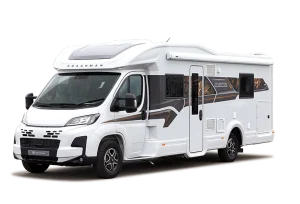
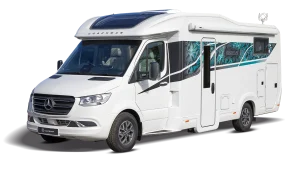
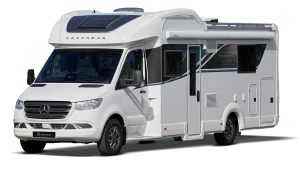
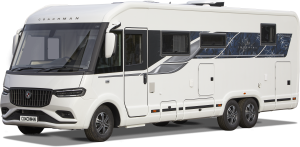
    The Travel Master, Travel Master Imperial, Sportivo and Avventura ranges are each built for a different style of touring, so payload should always be considered in relation to how you plan to use the vehicle.

    The Travel Master and Travel Master Imperial are designed for luxurious long-distance touring, with generous comfort and high-end features. The Sportivo offers a more compact Mercedes-Benz Sprinter-based footprint, making it well suited to couples who want all-season performance in a practical van conversion. The Avventura is built with more adventurous touring in mind, including durable finishes and flexible storage.

    Whichever model you are considering, the same principle applies: look at the published weight data, think honestly about what you carry, and speak to your nearest Coachman dealer about payload, licence requirements and any optional extras before you buy.

    How to manage payload sensibly

    Managing payload does not mean stripping your motorhome back to the bare minimum. It simply means being intentional about what you carry.

    Travel with only the water you need for the journey. Choose lightweight outdoor furniture. Avoid duplicating kitchen equipment. Check the combined weight of bikes and bike racks. Store heavier items low and as centrally as possible.

    It is also worth reviewing what you actually used after each trip. Many motorhome owners find they carry items for years that rarely leave the locker.

    Using a weighbridge at least once with the vehicle fully loaded is one of the simplest ways to understand your real touring weight.

    Final thoughts: payload is part of buying the right motorhome

    Motorhome payload UK guidance can feel technical at first, but the basic principle is simple: your motorhome has a maximum legal weight, and everything you add counts towards it.

    Understanding GVW, MAM and MTPLM helps you choose a motorhome that suits your licence, your lifestyle and the way you travel. It also helps you avoid the stress and risk of travelling overloaded.

    Before choosing your next motorhome, think carefully about how many people will travel, how much equipment you carry, whether you need bikes or a rear garage, and whether the vehicle’s payload genuinely suits your touring style.

    A premium motorhome should make travel feel easier, not more complicated. Getting payload right is one of the best ways to make every journey safer, more comfortable and more enjoyable. To discuss model weights, specification and suitable layouts, visit your nearest Coachman approved dealer

    Frequently Asked Questions

    What does payload mean on a motorhome?

    Payload is the amount of weight you can add to a motorhome once its base weight has been accounted for. It includes passengers, luggage, water, gas bottles, bikes, food, accessories and any other items carried on board.

    How do I calculate motorhome payload?

    To calculate payload, subtract the motorhome’s weight before loading from its maximum authorised weight. For example, if the maximum authorised weight is 3,500kg and the motorhome weighs 3,050kg before loading, the available payload is 450kg.

    What is the difference between GVW, MAM and MTPLM?

    GVW means Gross Vehicle Weight, MAM means Maximum Authorised Mass, and MTPLM means Maximum Technically Permissible Laden Mass. In practical terms, they all refer to the maximum permitted weight of the vehicle when fully loaded.

    Can I drive a 3,500kg motorhome on a normal car licence?

    In most cases, yes. A standard category B licence generally covers vehicles up to 3,500kg MAM. If the motorhome is above 3,500kg, you will usually need C1 entitlement.

    What happens if my motorhome is overweight?

    If your motorhome is overweight, you may be fined, prevented from continuing your journey until weight is removed, and potentially face insurance issues if an accident occurs. Overloading can also affect braking, handling, tyres and overall road safety.

    Should I travel with a full water tank?

    Not always. Water is heavy, with one litre weighing around one kilogram. If payload is limited, many motorhome owners travel with a partial tank and fill up closer to their destination.

    Can I increase my motorhome payload?

    Sometimes. Certain motorhomes can be uprated to increase their maximum authorised weight, but this depends on the chassis, axle limits and supporting documentation. Uprating may also mean you need C1 entitlement on your driving licence.

    Is payload more important on a 3,500kg motorhome?

    Payload is especially important on a 3,500kg motorhome because the vehicle is designed to stay within the standard category B licence limit. Luxury features, passengers, water, bikes and accessories can quickly reduce the remaining allowance.